By Brandon Williams
The shift ends. The incident is over. The crew logs out, the foreman wraps up paperwork, or the team packs up and heads home. Maybe there’s a quick hallway conversation or a side comment in the break room — and then it’s on to the next task.
But the real learning? That happens in the Debrief.
In high-risk, high-reliability environments — like healthcare, construction, energy, manufacturing, and transportation — the debrief is where safety, performance, and leadership converge. Yet far too often, debriefs are rushed, informal, or skipped entirely.
That’s a costly mistake.
Drawing from my background as a U.S. Air Force Fighter Pilot, airline captain, and Human Factors professor, I’ve helped frontline teams across multiple industries develop a structured, practical, and repeatable debriefing framework that drives real improvement — not just compliance.
Whether your team is responding to emergencies, operating heavy machinery, managing patients, or troubleshooting critical systems, this Debrief Culture mindset applies.
Step 1: Set the Tone — Psychological Safety & Just Culture
Debriefs must start from a place of trust. If the first words out of a team leader’s mouth sound like blame or critique, people shut down. Instead, lead with vulnerability and model accountability.
Start with questions like:
- “What could I have done better as a team lead today?”
- “What roadblocks did you face that we could’ve helped clear?”
- “What do you think we could improve together?”
The key is this: Debriefing isn’t punishment. It’s part of the job in a high-performing culture.
A “Learn and Growth” Culture versus a “Blame and Train.”
Leaders go first. Team members follow. That’s how you build psychological safety and open the door to honest communication.
Step 2: Review Execution — Truth Over Assumptions
What actually happened?
This isn’t a time for opinions, assumptions or memory gaps — it’s a time for truth.
Start with Clearly Defined Objectives (CDOs): What was the plan? What outcomes were expected?
Then, reconstruct the phases of the task or operation:
- Pre-task brief or shift change
- Setup, planning, and communication
- Execution or intervention
- Unexpected deviations or issues
- End-of-task, handoff, or closure
Where did things go well? Where did they break down? The important part here is JUST TRUTH DATA reconstruction…no analysis yet
Identify 2–3 Debrief Focus Points (DFPs) — critical areas to dig into while memory and data are fresh. This helps even short debriefs stay impactful.

Step 3: Analyze — Find Root Causes Through Human Factors
This is where learning accelerates.
For each focus point, don’t just say what happened — ask why it happened. Then keep asking why until you hit a root cause.
Use the Perception–Decision–Execution (PDE) model:
- Perception – Did someone miss a signal, warning, or instruction?
- Decision-making – Was the wrong judgment or action taken?
- Execution – Was it a skills issue, procedural miss, or communication gap?
Then explore the Human Factors at play:
- Distraction
- Task saturation / Overload
- Physical or Mental fatigue
- Complacency
- Pressure
- Confirmation bias
- Normalization of deviance
- Communication breakdowns
- These are not excuses — they’re
These are not excuses — they’re explanations. And if you understand them, you can fix them.
Step 4: Lock in Learning — What Will We Do Differently?
Debriefs should end with action.
Leave your team with clear lessons and personal accountability. Ask:
- “What did we learn today?”
- “What’s something we did good today?”
- “What’s one thing each of us will do better next time?”
- “What will we work on before the next shift or project?”
Leaders should make their own commitment, too. That models continuous improvement — and reinforces that everyone is accountable for performance, including leadership.
The SEAL Framework (Quick Reference)
If time is short, use this proven format:
- Set the Tone – “What could I have done better?”
- Execution – What actually happened? Any critical focus points?
- Analysis – Why did it happen? Apply PDE + Human Factors.
- Learning – What will we do differently next time?
Why This Works in Safety-Critical Industries
In combat aviation, every flight ends with a structured debrief — often within an hour of landing — to capture truth, reinforce learning, and improve the next mission.
You don’t need to fly jets to use the same mindset.
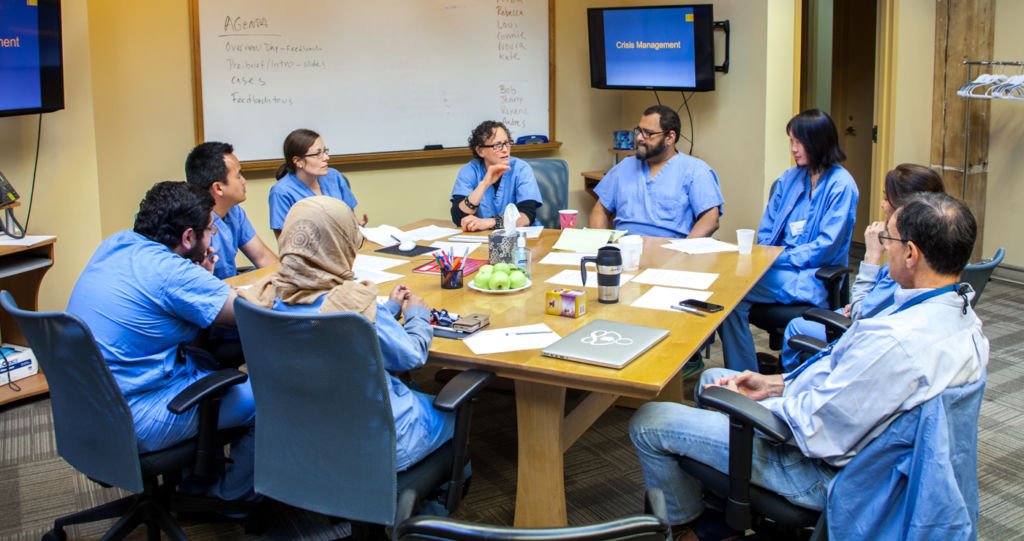
Whether you’re in the OR, the refinery, on the job site, or behind the wheel, this approach applies to your team. Because safety and performance don’t improve on their own — they improve when you make time to talk about them with intention.
This is how you create a Debrief Culture. And in high-risk industries, that’s how you save lives, reduce errors, and build trust — one team, one shift, one conversation at a time.
Reach out TODAY if you and your team want to learn more about the Debrief, and show a Debrief Culture can drive better and safer teams!
brandon@brandonwilliamsspeaker.com
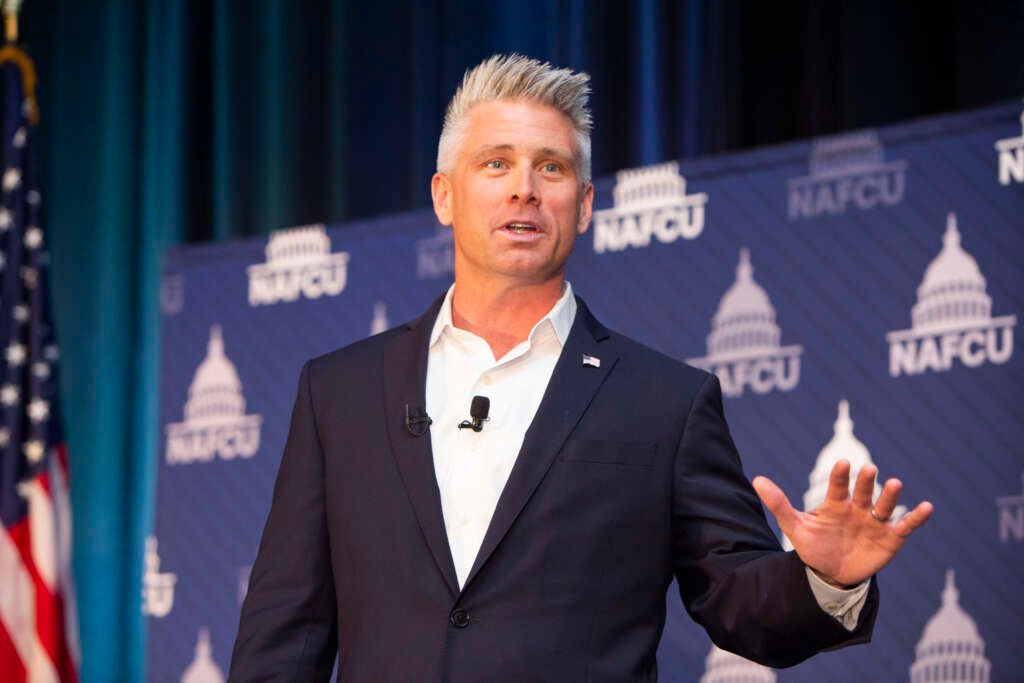

Brandon Williams is a seasoned airline captain, human factors professor, and former U.S. Air Force Fighter Pilot, Lieutenant Colonel, and Safety Officer. With over 20 years of experience leading teams in high-risk, high-performance environments, he brings unmatched credibility to the world of leadership, safety, and operational performance.
As an expert in Human Factors, Brandon equips leaders and teams with practical tools to lead with clarity, foster psychological safety, and drive mission-focused outcomes. His approach blends frontline experience from military and commercial aviation with proven leadership frameworks—helping organizations improve performance while supporting their people. Brandon’s keynotes deliver more than inspiration.
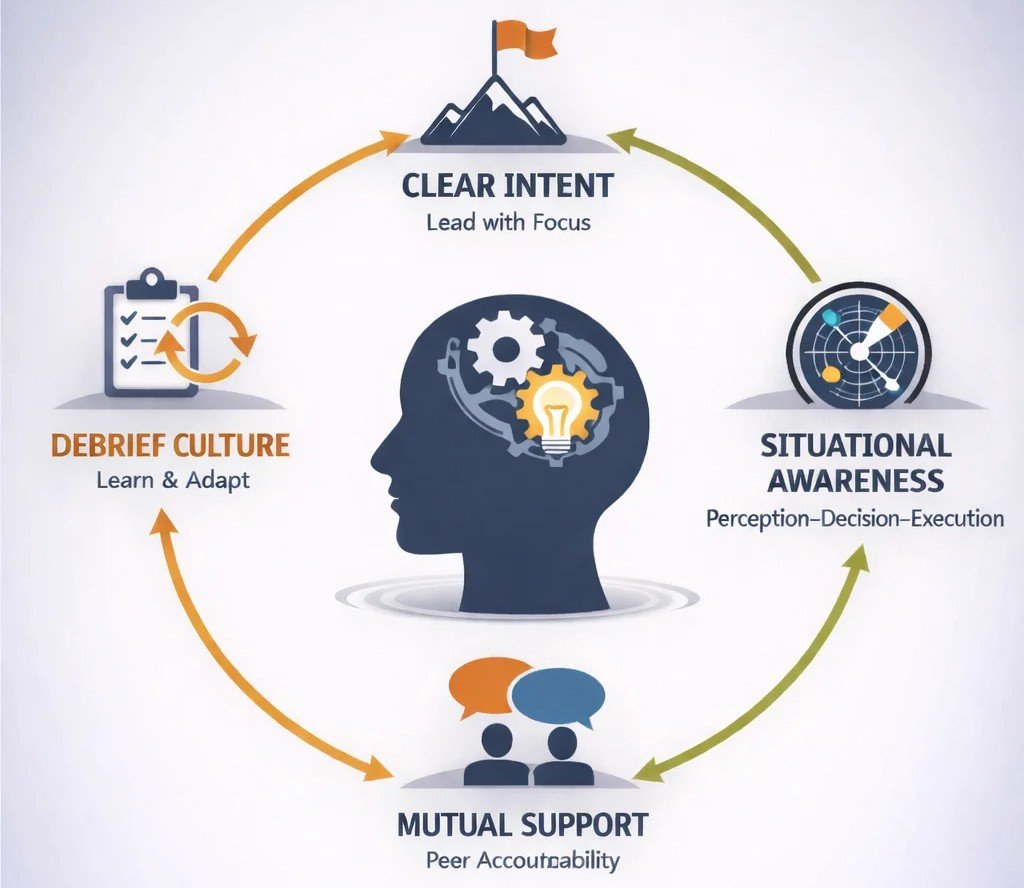
They offer a tangible system grounded in six key principles of high-performance leadership:
• Clear Intent – Leading with purpose and setting expectations
• Situational Awareness – Understanding dynamic environments
• Decision Making – Managing risk and judgment under pressure
• Mutual Support – Fostering accountability and teamwork
• Just Culture – Creating space for learning over blame
• Debrief Culture – Driving continuous improvement and growth