As a former Air Force Fighter Pilot, I’m often asked one question:
“How can Leaders make better decisions in uncertain, time-critical situations?”
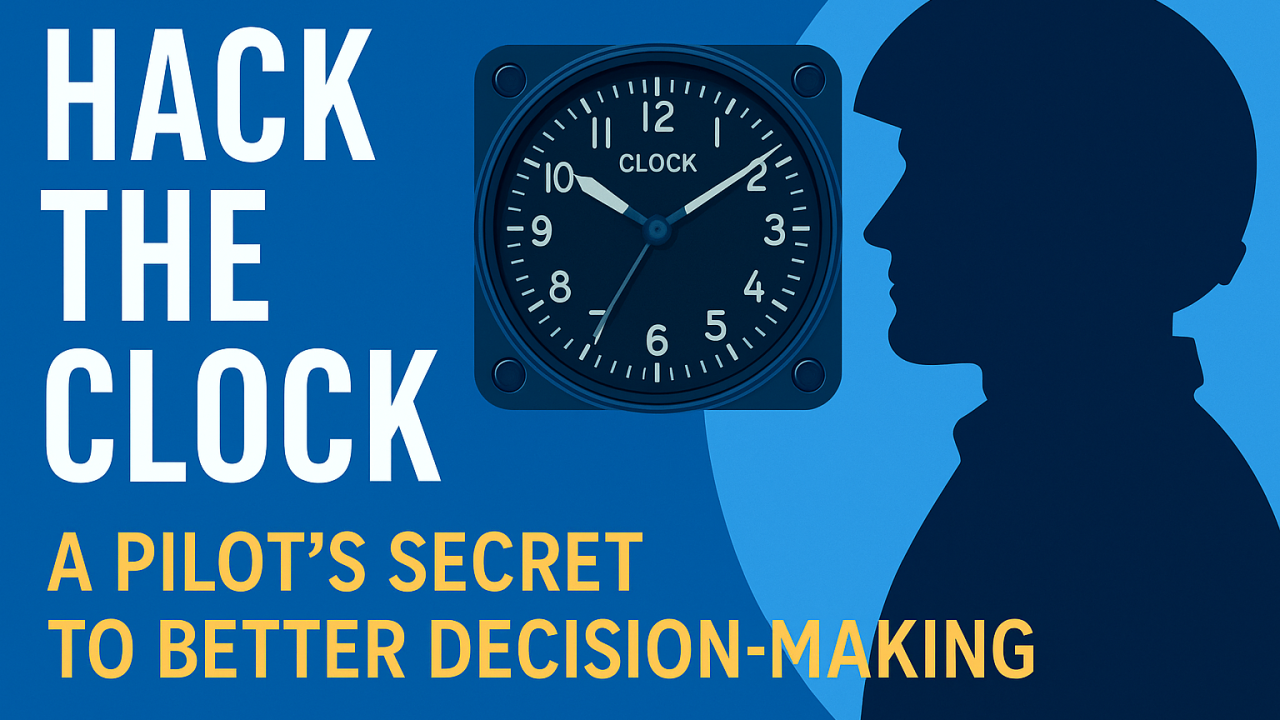
My answer is simple: “Hack the clock.”
What “Hack the Clock” Really Means
In Air Force pilot training, “hacking the clock” isn’t just pilot jargon. It’s one of the first things we teach young aviators to do when faced with a critical aircraft malfunction or uncertain situation.
But it’s not just about time. It’s about control — control of your mindset, physiology, and ultimately, your performance.
In some emergencies, yes, you literally need to know how much time you have — like when facing an electrical failure or fuel leak. But more importantly, “hacking the clock” is about hacking our human response to stress.
The Human Factors Behind It
When stress hits, our brains narrow focus — a built-in survival response known as tunnel vision. It’s great when you’re avoiding a saber-toothed tiger. But not so great when you’re navigating complex decisions with multiple variables.
In modern high-reliability leadership environments — business, healthcare, aviation, energy, transportation, construction, manufacturing — tunnel vision can cause us to fixate on the wrong threat, miss key details, and make poor decisions.
How to “Hack the Clock”
Here’s how fighter pilots use this technique — and how you can apply it as a leader:
- Reset your mind — Starting a timer at zero signals your brain: “I have time to think.”
- Combat tunnel vision — This mental reset helps widen your field of awareness and refocus on the bigger picture.
- Enhance situational awareness — Those few extra moments help you gather the right data before acting.
- Slow down time — It’s a psychological trick that allows deliberate, methodical thinking in chaos.
When Not to Use It
Of course, there are moments in aviation where you don’t have time to think — when seconds truly matter. That’s why training, preparation, and experience matter.
But here’s the truth: In most situations — at 0 mph, 0 G’s, and 0 feet altitude — you usually have more time than you think.
Apply It to Leadership
Next time your team faces a high-stress or time-critical situation, try this:
- Take a breath
- Hack the clock
- Build your situational awareness
You’ll be amazed at how much clearer your decisions become — and how your team follows your calm, confident lead.
Leadership in high-performing, high-reliability teams isn’t about moving fast — it’s about thinking clearly. The best leaders don’t rush decisions; they control time.
So, when chaos hits, remember: Hack the clock.
Reach out TODAY if you and your team want to learn more about decision-making in high stakes, uncertain environments!
brandon@brandonwilliamsspeaker.com


Brandon Williams is a seasoned airline captain, human factors professor, and former U.S. Air Force Fighter Pilot, Lieutenant Colonel, and Safety Officer. With over 20 years of experience leading teams in high-risk, high-performance environments, he brings unmatched credibility to the world of leadership, safety, and operational performance.
As an expert in Human Factors, Brandon equips leaders and teams with practical tools to lead with clarity, foster psychological safety, and drive mission-focused outcomes. His approach blends frontline experience from military and commercial aviation with proven leadership frameworks—helping organizations improve performance while supporting their people. Brandon’s keynotes deliver more than inspiration.
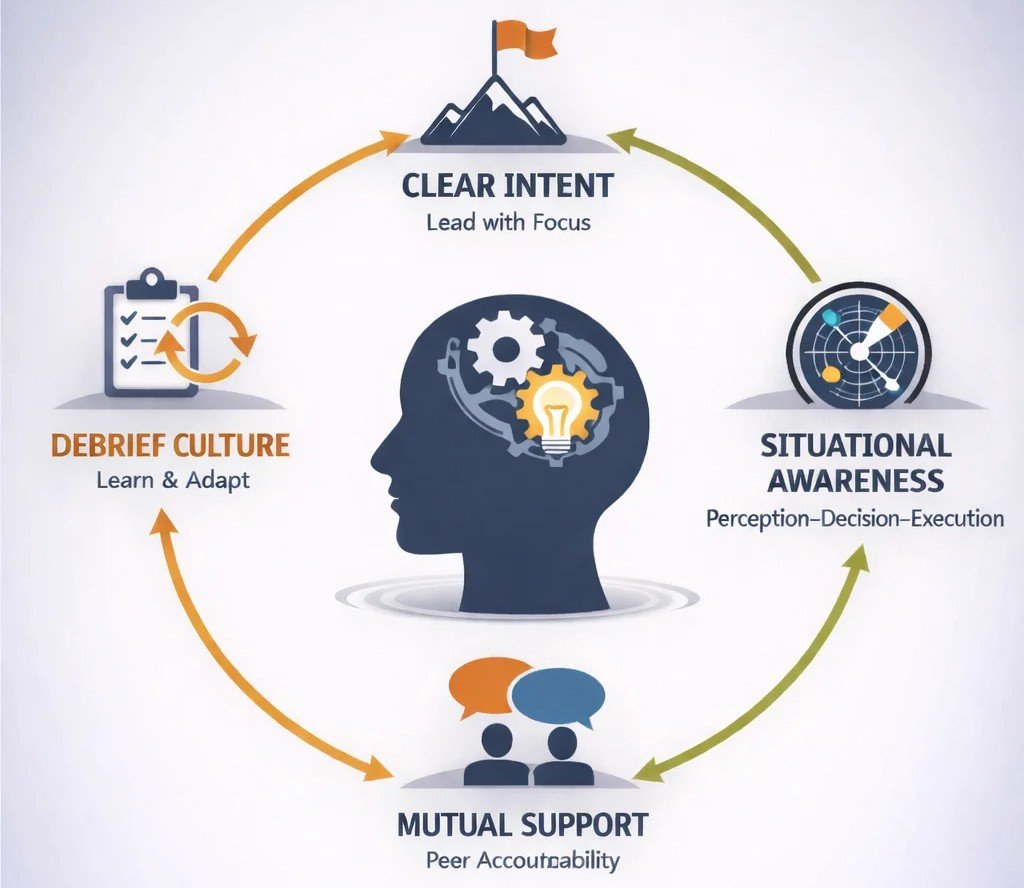
They offer a tangible system grounded in six key principles of high-performance leadership:
• Clear Intent – Leading with purpose and setting expectations
• Situational Awareness – Understanding dynamic environments
• Decision Making – Managing risk and judgment under pressure
• Mutual Support – Fostering accountability and teamwork
• Just Culture – Creating space for learning over blame
• Debrief Culture – Driving continuous improvement and growth